You have probably Googled myofunctional therapy training for dental hygienists more than once. Maybe more than once in the last 24 hours. And Learn Myofunctional Therapy in 60 Days keeps showing up, and you keep getting interested, and then you talk yourself back out of it because you assume that learning something new means starting from scratch.
You are not starting from scratch. Myofunctional therapy training for dental hygienists is not a career replacement. It is an addition to a clinical foundation you have already spent years building, and that foundation gives you a head start that most people who want to do this work simply do not have.
Prefer to Listen Instead?
This article is based on The Profitable Myofunctional Therapist™ podcast, Episode 79: Myofunctional Therapy Training for Dental Hygienists: Why You’re Already Ahead. You can listen to the podcast here.
Prefer to Watch Instead?
It Is Already in Your Scope of Practice
Before anything else, this one matters. The American Dental Hygiene Association includes myofunctional therapy in the dental hygienist’s scope of practice. That means you are not stepping outside your lane by pursuing myofunctional therapy training for dental hygienists. You are working squarely within it.
Speech therapists, dentists, and a growing number of other allied health practitioners are adding myofunctional therapy to their work, but hygienists have a particular built-in advantage: the scope is already there. The question is not whether you can do this. The question is whether you are going to.
You Are Not Working Full Time, Which Means You Have Room to Build
Most dental hygienists are not working five days a week. That schedule gap, the days you are not in the op, is exactly the white space where a myofunctional therapy practice gets built. The model is not quit hygiene and start over. The model is gas and brake: you keep the paycheck while you build something alongside it.
This matters for two reasons. It removes the financial risk of making a move before you are ready, and it removes the all-or-nothing pressure that keeps so many hygienists frozen. You do not have to choose on day one. You get to build while you still have the safety net.
The Skills That Transfer Directly
Here is the part that surprises most hygienists when they hear it. Myofunctional therapy training for dental hygienists does not require you to start learning from zero because so much of what the work demands, you are already doing.
Anatomy. Tongue position, tongue posture, swallow patterns, nasal breathing, frenum attachment — this is not new material. You have been working next to it for years. That foundation alone cuts the learning curve in a way that takes non-dental practitioners months to build.
Patient communication. Explaining a complex clinical finding in plain language to a nervous patient. Building trust inside a short appointment. Motivating someone to change a behavior they have had their whole life. That is myofunctional therapy, session after session. You have been doing this work, just under a different name.
Clinical assessment. The ability to look at a patient’s oral environment and understand what you are seeing, to build the story in your head before you confirm it, to document accurately and efficiently — that clinical eye does not stop being useful just because you are adding a new modality. It becomes more useful.
For crying out loud: you already know how to assess, how to communicate, and how to document. The clinical training in myofunctional therapy builds on a foundation you already have. It does not replace it.

Why the Timing Actually Matters Right Now
The conversation about airway, sleep, and myofunctional therapy has been growing for years, but the professional infrastructure is catching up fast. Airway-focused orthodontists, sleep medicine practitioners, and pediatric dentists who trained with the best in the field are actively looking for myofunctional therapists to refer to and collaborate with.
The older, more resistant practitioners are retiring and selling their practices. The doctors replacing them went to continuing education with the most progressive voices in airway and craniofacial development. They are looking for trained myofunctional therapists. The demand is there. The hygienists who make this move now are getting in before the field gets crowded.
Your First Step: Get the Clinical Training
If you have read this far, you already know the answer to your own question. The thing between where you are now and where you want to go is the formal myofunctional therapy training itself. Everything else — the anatomy, the communication skills, the clinical eye — you already have.
LMT60 is myofunctional therapy training for dental hygienists! It’s created just for YOU! It is a 60-day self-paced myofunctional therapy training program that takes you from knowing the concept to having the clinical foundation to see your first client. It is not six months. It is not a full course load. It is 60 days, at your pace, built to get the car out of park so you can start having real conversations with real patients and building real confidence.
Use code T2BCHECKLIST to save $100.
If you are not sure whether myofunctional therapy is the right next step for your specific situation, book a Get Unstuck Call and we will figure it out together.
Frequently Asked Questions
Is myofunctional therapy training for dental hygienists in scope?
Yes. The American Dental Hygiene Association includes myofunctional therapy within the dental hygienist’s scope of practice. You are not stepping outside your lane by pursuing this training. You are working within it, with a clinical background that puts you ahead of most practitioners starting out.
Do I need to quit dental hygiene before I start myofunctional therapy training?
No, and you should not. The recommended approach is to build your myofunctional therapy practice alongside your hygiene income while you still have the safety net of a paycheck. Most dental hygienists are not working five days a week, which means the schedule space to build already exists.
How long does myofunctional therapy training take for a dental hygienist?
With a program like LMT60, the clinical training takes 60 days at your own pace. Because dental hygienists bring existing anatomy, communication, and assessment skills, the learning curve is shorter than it is for practitioners without a clinical background.
What skills from dental hygiene transfer to myofunctional therapy?
Anatomy knowledge (tongue posture, swallow patterns, nasal breathing, frenum attachment), patient communication skills, clinical assessment, documentation, and the ability to read a patient’s oral environment and build the clinical picture in real time. These are not adjacent skills. They are directly applicable.
What is the difference between LMT60 and PMT?
LMT60 is the clinical training: it gives you the myofunctional therapy foundation to see clients. The Profitable Myofunctional Therapist™ (PMT) is the business training: it gives you the structure, strategy, and roadmap to build consistent clients and predictable income. Most hygienists start with LMT60 and move into PMT when they are ready to build the business side.
Is there demand for myofunctional therapists in my area?
The referral network for myofunctional therapy is growing rapidly, driven by airway-focused orthodontists, pediatric dentists, and sleep medicine practitioners. The practitioners most interested in collaborating are the newer, more progressive providers who are actively looking for trained myofunctional therapists. If you are not sure about your specific market, a Get Unstuck Call is the right place to start.
You Have Already Been Doing This Work
If your wrists are telling you something, if Sunday nights feel heavier than they should, if you keep landing on myofunctional therapy and then talking yourself out of it — this is me telling you that the gap between where you are and where you want to be is smaller than you think.
Your years in hygiene are not starting-over baggage. They are your head start. The clinical training fills the one real gap, and it does not have to take over your life or your schedule to do it.
Enroll in LMT60 and use code T2BCHECKLIST to save $100. Or book a Get Unstuck Call if you want to talk it through first.
Xo,
💙 Carmen
About Carmen Ball
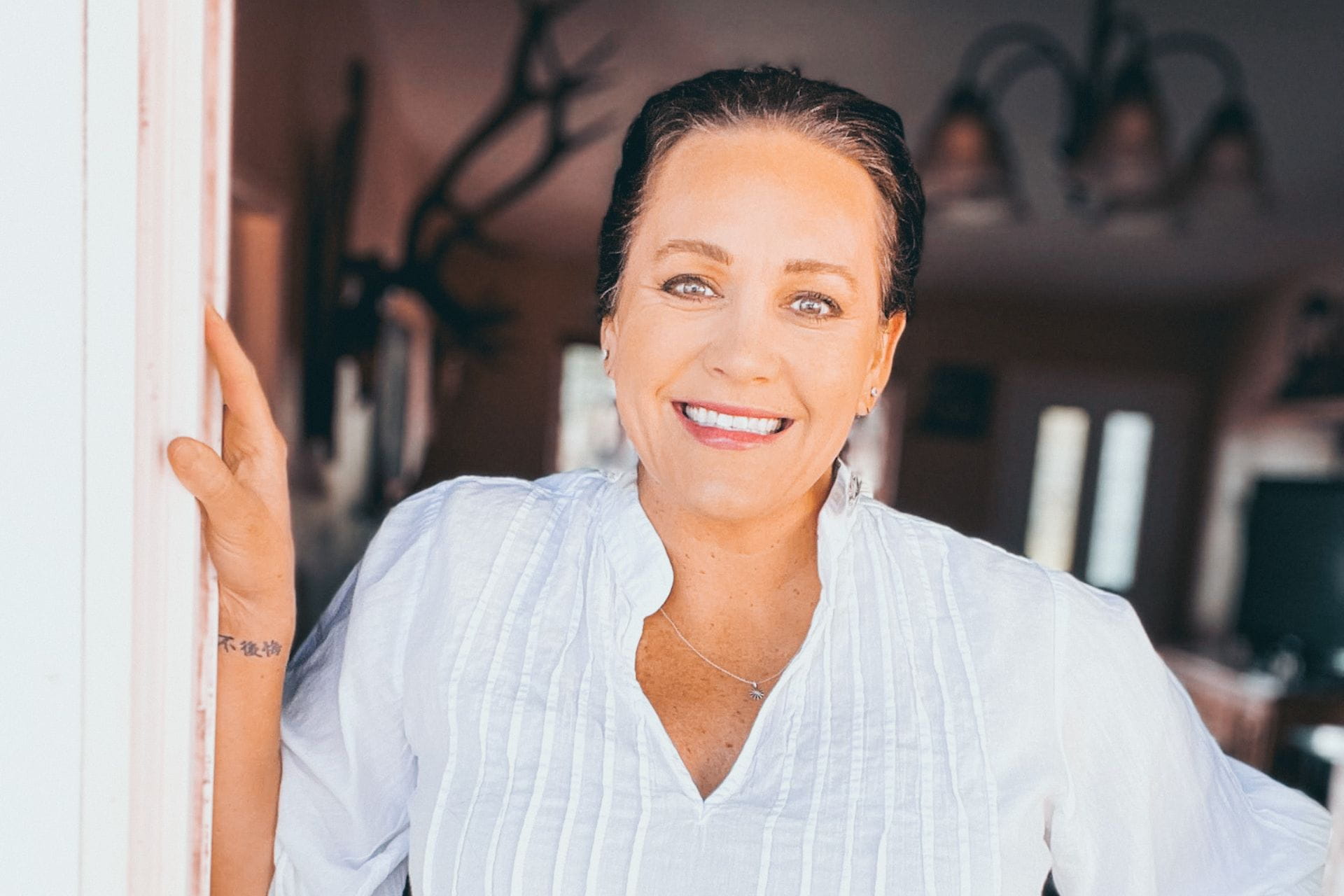
Carmen Ball (formerly Carmen Woodland) is a renowned, global myofunctional therapist, business coach, and host of The Profitable Myofunctional Therapist™ podcast. Over the past decade, she has helped thousands of people in her private myofunctional therapy practice (Impact Myofunctional Therapy – formerly Integrative Myofunctional Therapy) and coached hundreds of trained therapists to build profitable online businesses of their own. She is the creator of The Profitable Myofunctional Therapist™ program and Learn Myofunctional Therapy in 60 Days or Less (LMT60), a clinical training program for dental and health professionals. Carmen’s approach is simple: you already have the skills and the license. Now let’s build the business around them. She works with therapists around the world who are ready to stop spinning their wheels and start building a business they are genuinely bonkers about.
0 Comments