
You finished your training. Maybe you have been eyeing a credential program, or maybe you already paid for one and you are wondering why nothing has changed. Either way, you are here, which means the question is real: does myofunctional therapy training require a credential to be taken seriously, to get clients, to build a practice?
The short answer is no. The longer answer is what this article is about.
I am Carmen Ball, and I have been practicing and teaching myofunctional therapy for over eight years without a credential from any credentialing organization. Not because I cut corners. Because I did my research, and what I found out changed how I think about this field entirely.
Prefer to Listen Instead?
This article is based on The Profitable Myofunctional Therapist™ podcast, Episode 81: Myofunctional Therapy Certification: What You Actually Need to Know Before You Commit. You can listen to the podcast here.
Prefer to Watch Instead?
What I Found Out When I Hired an Attorney
When I was building my practice, I was catching real pushback in the myofunctional therapy Facebook groups. Speech language pathologists were arguing that dental hygienists had no business doing this work without a specific credential. I was seeing clients. I had invested in my training. And I needed to know: was I actually at risk?
So I hired an attorney who specialized in dental regulation. She had been a dental hygienist before becoming an attorney, and she researched the laws specific to the state where I was practicing at the time.
Here is what she found. There is no governing board for myofunctional therapy. There is no regulatory agency that dictates who can and cannot practice it. She told me that for dental hygienists, myofunctional therapy falls within scope of practice, and even beyond that, there is no legal body drawing the line. Her professional opinion was that calling yourself a dental hygienist with advanced training in myofunctional therapy was actually the more accurate and less misleading description than using a trademarked credential title that implied a kind of official oversight that does not exist.
That conversation changed how I positioned myself, and it is part of why I have never pursued a credential since.
What a Myofunctional Therapy Certifiction Actually Is
This is the part most people in this field will not say plainly, so I will.
The organizations that offer credentials in this field have built a smart business model. They have trademarked specific titles and phrases. When you pay for their program and meet their requirements, you earn the right to use that trademark. You pay a fee. You follow their rules. It is not entirely different from buying into a franchise. The trademark belongs to them, not to you, and maintaining access to it requires ongoing compliance with their guidelines.
That is not inherently bad. Some of those programs offer excellent clinical content. What it is not, though, is a governmental credential, a state license, or a mark of distinction that your clients will understand or care about. Most clients asking about myofunctional therapy have never heard of any credentialing organization. They found you on Google, got referred by their orthodontist, or came across your content. What they are evaluating is whether you sound confident, whether you clearly explain how you can help them, and whether your website looks like you are a real professional.
A trademarked title does not produce any of those things. Your training, your reps, and your business skills do.

Why Trained Therapists Are Still Stuck
Here is what I am seeing, consistently. Trained therapists, some with credentials and some without, are stuck at the same point: they do not know where to start.
They cannot put together a therapy template from start to finish with confidence. They do not know how to talk about what they do without it coming out desperate, overselling, or just confusing. They do not have a clear niche. They are trying to serve everyone, which means they are connecting with no one. And most of the programs they have invested in, including the credentialing ones, have not addressed any of that, because clinical content and business skills are two very different things.
I have had students come into my coaching programs after spending eight to twelve thousand dollars on training and credentials who did not even have a name for their business yet. That is not a credentials gap. That is a business foundation gap.
What Actually Makes You a Good Myofunctional Therapist
Letters do not make you a good therapist. The reps do.
Think about it this way. I can tell you I did push-ups today. That does not mean my arms are in shape. What gives you strong arms is actually doing the work, consistently, over time. What gives you skill as a myofunctional therapist is working with clients, building your assessment and treatment template, refining how you explain what you do, and practicing how you talk about results in language that resonates with real people.
Credentials can coexist with that. They are not the enemy. What they are not is a substitute for it.
If you are trained and stuck, the question is not whether you have the right letters. The question is whether you have the business structure that lets you actually start seeing clients and getting reps.
The Business Foundation That Comes Before Marketing
Here is what I walk every new student through when we start working together. Before anything else, you need a business diagnostic. You need to know exactly where you are: whether you have your EIN, a business bank account, a way to get paid, a way to let clients schedule with you, and a basic intake and record-keeping system. If those are not in place, marketing is pointless.
Then you need a clear who. A specific niche. Not everyone. Not all airway cases. A specific person with a specific problem who you are the right fit for. Once you have that, you can build pricing around it. And only then does marketing make sense, because now you know who you are talking to and what you are solving.
Long-form content, whether that is a podcast, a blog, or a YouTube channel, builds authority faster and more durably than Instagram posts. Build the foundation first. Then build the visibility.
That is the sequence that turns training into a practice.
Frequently Asked Questions
Do I need myofunctional therapy certification to start seeing clients?
No. There is no governing board or regulatory agency that requires it. For dental hygienists, speech language pathologists, and dentists, myofunctional therapy falls within existing scope of practice. For other practitioners, insurance access is the practical barrier, not a credential. What you need is clinical training, a clear business structure, and the confidence to talk about what you do.
What is the difference between myofunctional therapy training and certification?
Training refers to clinical coursework that teaches you the assessment, anatomy, exercises, and therapy protocols. Credentials in this field are trademarked titles offered by private organizations that require you to complete their specific program and follow their rules to use their brand. Neither is a government-issued license or a regulatory requirement.
Is myofunctional therapy certification worth it?
It depends on what you are hoping it will do. If you want excellent clinical content, some programs that offer credentials provide it. If you are hoping a credential will get you clients, build your confidence, or solve your business challenges, the evidence from the field does not support that. Most trained therapists who are stuck, credential or not, are missing business foundations, not clinical knowledge.
Can dental hygienists practice myofunctional therapy without certification?
Yes. An attorney who specialized in dental regulation researched this question and found there is no governing board and no regulatory agency prohibiting it. For dental hygienists, it falls within scope of practice. The more accurate description is a dental hygienist with advanced training in myofunctional therapy, which does not require a trademarked credential.
What do I actually need to start a myofunctional therapy practice?
Clinical training you feel confident in, a business structure (EIN, banking, scheduling, billing), a clearly defined niche, pricing that reflects your value, and a way to talk about what you do with clarity and confidence. Those are the things that get you clients. The Get Unstuck Call is where we look at exactly where you are in that list and what to prioritize next.
Keep Listening: Related Episodes
- EP72: Myofunctional Therapy Certification vs Actually Making Money: Behind the Scenes — The episode that started this conversation: what the credential comparison really looks like from behind the scenes of a working practice.
- EP67: Why Am I Not Getting Myofunctional Therapy Clients? — Seven reasons trained therapists are not getting clients, and what to do about each one.
- EP62: What to Do First When Starting a Myofunctional Therapy Business — The first step most therapists skip, and why skipping it keeps them stuck.
You Have the Training. Now Let’s Build the Business.
If this landed for you, you already know what the next step is. You have been trained. You know the clinical work. What you are missing is the business foundation that turns that training into a practice you can actually run.
The Get Unstuck Call is where we look at where you are, what is actually in the way, and whether The Profitable Myofunctional Therapist™ is the right next step. The fall cohort is coming. You want that call done before we start.
Book it here.
Xo,
💙 Carmen
About Carmen Ball
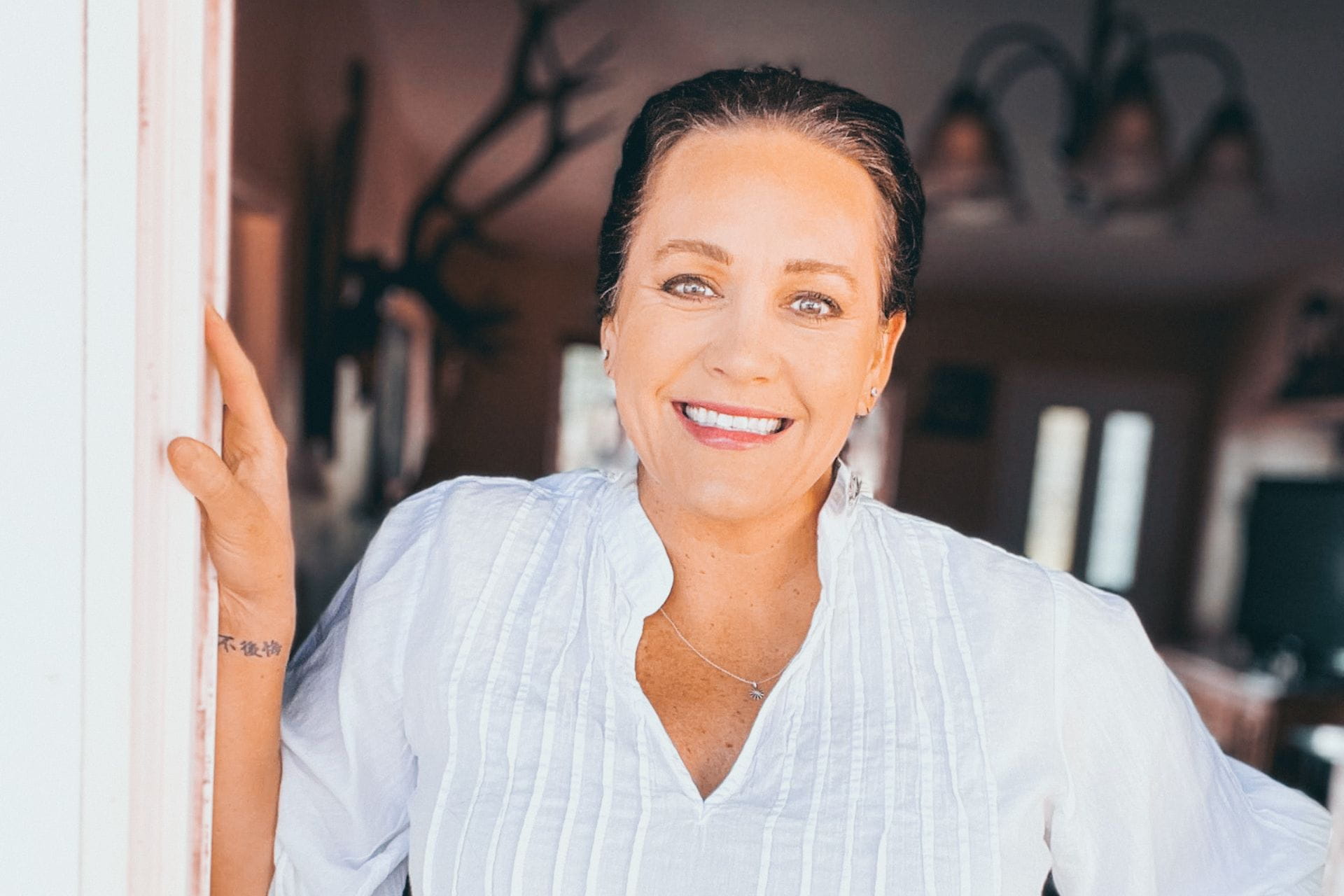
Carmen Ball (formerly Carmen Woodland) is a renowned, global myofunctional therapist, business coach, and host of The Profitable Myofunctional Therapist™ podcast. Over the past decade, she has helped thousands of people in her private myofunctional therapy practice (Impact Myofunctional Therapy – formerly Integrative Myofunctional Therapy) and coached hundreds of trained therapists to build profitable online businesses of their own. She is the creator of The Profitable Myofunctional Therapist™ program and Learn Myofunctional Therapy in 60 Days or Less (LMT60), a clinical training program for dental and health professionals. Carmen’s approach is simple: you already have the skills and the license. Now let’s build the business around them. She works with therapists around the world who are ready to stop spinning their wheels and start building a business they are genuinely bonkers about.
0 Comments