

Here is what nobody tells you about the dental hygienist to myofunctional therapist transition: the clinical part is not the hard part. You can know every exercise, every muscle, every assessment protocol, and still have zero clients. Because the thing that actually stops the transition is not the training. It is the conversation. And most therapists are simply not having it. The dental hygienist to myofunctional therapist path is one of the most natural career pivots in oral health — and one of the most stalled.
I know this because I was there. Sixteen years in hygiene, desperate to get out, and the moment I had my training, I still had to figure out how to open my mouth and say what I did in a way that made someone want to pay me for it.
Prefer to Listen Instead?
This article is based on The Profitable Myofunctional Therapist™ podcast, Episode 83: From Hygienist to Myofunctional Therapist: What the Transition Really Looks Like. You can listen to the podcast here.
Prefer to Watch Instead?
The Real Reason the Transition Stalls
Most hygienists who make the move to myofunctional therapy hit the same wall. They finish their myofunctional therapy training, they feel good about the material, and then they wait. They wait to feel more ready. They wait until they have a perfect website, or the right business cards, or a few more hours of study time. And while they wait, nobody finds out they can help them.
The transition from dental hygienist to myofunctional therapist stalls because of silence. Not lack of knowledge. Silence. Every dental hygienist to myofunctional therapist story that actually worked has one thing in common: the person started talking before they felt ready.
Getting clients is a numbers game, and the number that matters is conversations. The more people you talk to about what you do, the more opportunities you create to say the words that actually move things forward: I can help you. Every conversation is a chance. Every hygiene appointment is a captive audience. Every community event, every family barbecue, every casual run-in is an opportunity to plant a seed.
When I started, I talked to everybody. I talked to kids who had no idea what I was saying. I talked to patients who were halfway through a cleaning. I talked to people who were skeptical and bored people. I talked because I knew that the only way to get better at the conversation was to have more of them, and the only way to get clients was to let more people know I existed.
What Actually Kills the Conversation Before It Starts
It is not your clinical knowledge. That is almost never the problem.
What kills the conversation is awkwardness, and awkwardness has a few reliable sources.
The first is not having your systems in place. If someone at a networking event asks how to work with you and you say “I haven’t set my hours yet” or “I’m not sure what I charge,” you have just told them you are new, unsure, and maybe not quite ready for them. You have telegraphed the very thing you were afraid they would sense. Set your hours before you ever have that conversation. Know your price before someone asks. Even a general answer — something like “I see clients on Thursdays and Fridays, and my fees vary based on what someone needs, so I’d love to connect and find out if we’re a fit” — is infinitely better than a shrug.
The second source of awkwardness is not believing in your price. You are a mirror to your client. If you do not feel confident about what you charge, they will feel it before you ever say the number. I call this finding your “happy price” — the number that sits above your resentment level but below the one that makes you want to puke. When you find that number and stand behind it, the conversation is completely different.
The Free Assessment: Where You Actually Get to Shine
The goal of every early conversation is not to sell therapy. It is to get that person to a free assessment.
Here is why. In the early conversation, you are in someone’s chair, or at a party, or in a parking lot. You do not have their paperwork. You do not know their history. You are half-distracted and so are they. You cannot show them the full depth of what you know in that moment, and you should not try.
But in a free assessment, everything changes. They have submitted their intake paperwork. You know what is keeping them up at night, what their goals are, what they have already tried. They are sitting in front of you, undistracted, and they are there because they raised their hand and said they need help. That is where you get to show what you know. That is where the education replaces the sales pitch, and people decide they trust you.
I used to have close to an 80% conversion rate from free assessment to paid exam. Not because I was selling hard. Because I was educating people about their own situation, and they could see exactly why they needed to keep going.
Every conversation you have in those early months has one job: get them to the assessment. Dangle that carrot. Do not do your paid work for free in the parking lot. Do not answer every email question back and forth indefinitely. Get them on a call. That is where the magic happens.
Belief Before Bank
Here is the shift that changes everything, and it has to come before the clients, before the income, before the confidence that you think you need first.
You have to believe in your skills, your solution, your people, and your prices before the money ever shows up. Belief before bank. It is not optional, and it is not something that arrives after enough clients. It is a decision you make before the next conversation.
When I made the move from hygiene, I did not have it all figured out. I did not feel like an expert. I did it anyway. I talked anyway. I showed up anyway, and the talking is what built the polish, the confidence, and eventually the practice.
The dental hygienist to myofunctional therapist transition is not primarily a clinical challenge. It is a belief challenge, a conversation challenge, and a numbers challenge. And every single one of those is something you can work on today, before you have a single client on your calendar.
Frequently Asked Questions
How long does it take to make the transition from dental hygienist to myofunctional therapist?
There is no fixed timeline, but the therapists who move fastest are the ones who start having conversations before they feel ready. Clinical training through a program like LMT60 gives you the foundation in 60 days. Building the practice is a separate process that depends on how consistently you show up, talk to people, and move them toward a free assessment.
The dental hygienist to myofunctional therapist transition moves at the speed of your conversations, not your training calendar.
Do I need to leave hygiene before I start seeing myofunctional therapy clients?
No. Many therapists build their myofunctional therapy practice while still working in hygiene. The dental chair is actually one of the best places to start having conversations and identifying potential clients. The transition happens over time as the practice grows.
What do I say when someone asks what myofunctional therapy is?
Keep it simple and tie it to something they already understand. Focus on the problems your clients come in with, not the clinical terminology. Something like: “I work with people who have issues related to how they breathe, chew, or swallow — things that affect sleep, jaw development, and oral health.” Then invite them to a free assessment if they want to learn more about their own situation.
Why am I not getting myofunctional therapy clients even though I finished my training?
Most of the time it comes down to conversations. Not enough people know you exist, or the ones who do do not have a clear next step to take with you. Start there. If you want a full breakdown of what is getting in the way, the Get Unstuck Call is exactly that conversation.
Is LMT60 enough to start seeing clients after the dental hygienist to myofunctional therapist transition?
LMT60 gives you the clinical foundation to start. The business side — finding clients, pricing your services, setting up systems — is what The Profitable Myofunctional Therapist™ covers. If you want to explore how they work together, the Work With Us page walks through both options.
What is a free assessment and should I offer one?
A free assessment is a short, focused conversation with a potential client where you review their intake paperwork and help them understand whether myofunctional therapy could support their goals. For therapists in the early stages of building a practice, it is one of the most effective ways to convert interest into a paid exam because it lets you show your knowledge in a one-on-one, distraction-free setting.
Keep Listening: Related Episodes
- EP79: Why Dental Hygienists Are the Perfect Candidates for Myofunctional Therapy Training — If you are still deciding whether this transition makes sense for you, this episode makes the case clearly and directly.
- EP66: What to Do After Myofunctional Therapy Training: Why Most Therapists Get Stuck — The post-training freeze is real and common. This episode is the direct next step after EP83.
- EP59: RDH Side Hustles: Turning Your Dental Hygiene Skills Into a Thriving Myofunctional Therapy Business — For the hygienist who is not ready to leave the chair but wants to start building something alongside it.
You Already Know More Than You Think
The dental hygienist to myofunctional therapist transition does not stall because you need more training. It stalls because the conversation feels harder than the clinical work, and nobody taught you how to have it.
Start talking. Not when you feel ready, not when the website is perfect, not when you have memorized one more protocol. Now. The only thing on the other side of that conversation is a person who needs what you know how to do.
Every dental hygienist to myofunctional therapist who has a thriving practice today started with one conversation. Yours is next.
If you are not trained yet, LMT60 is the fastest path to the clinical foundation. Use code T2BCHECKLIST to save $100.
If you are trained and stuck on what comes next, book your Get Unstuck Call. That is exactly the conversation we have together.
Xo,
💙 Carmen
About Carmen Ball
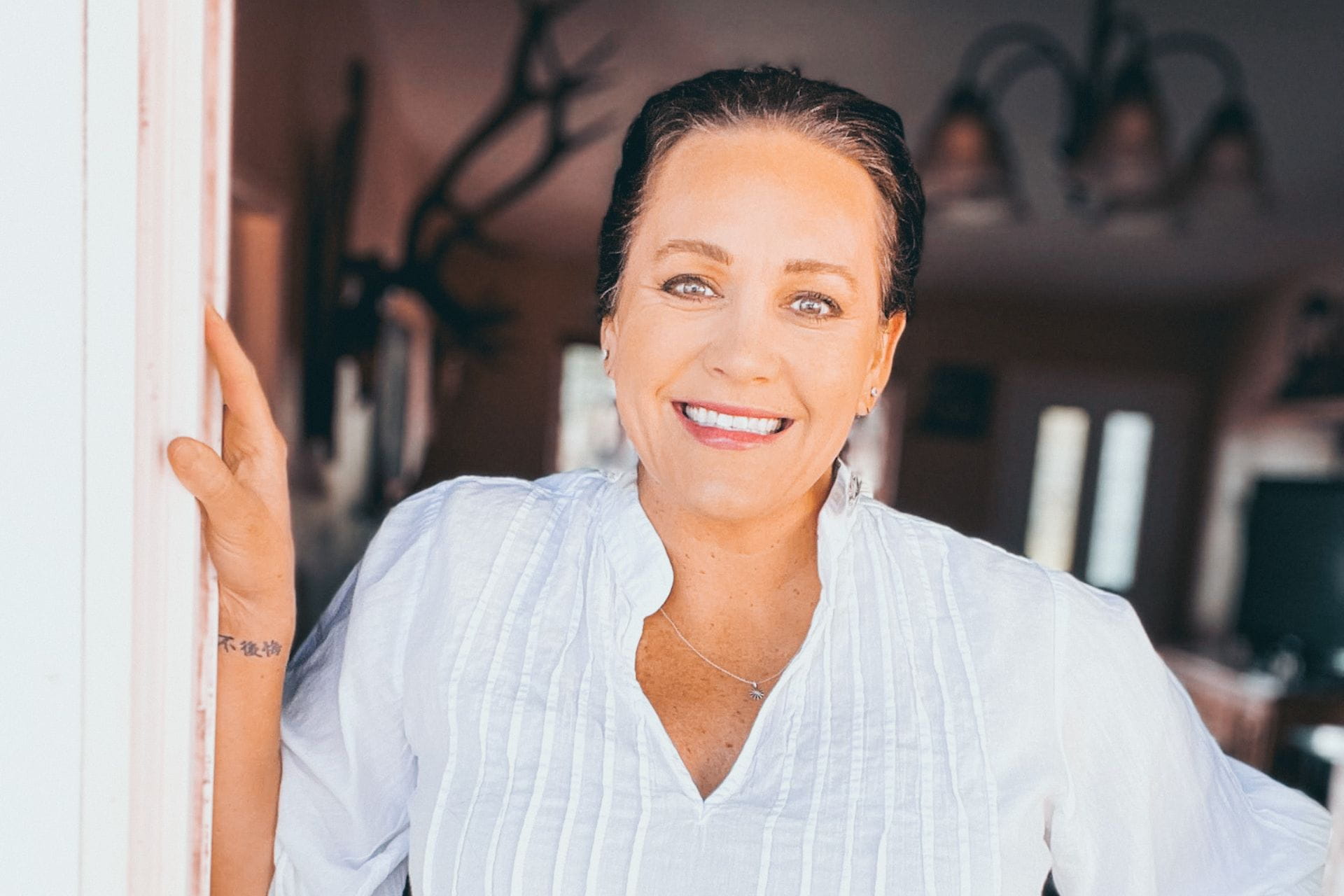
Carmen Ball (formerly Carmen Woodland) is a renowned, global myofunctional therapist, business coach, and host of The Profitable Myofunctional Therapist™ podcast. Over the past decade, she has helped thousands of people in her private myofunctional therapy practice (Impact Myofunctional Therapy – formerly Integrative Myofunctional Therapy) and coached hundreds of trained therapists to build profitable online businesses of their own. She is the creator of The Profitable Myofunctional Therapist™ program and Learn Myofunctional Therapy in 60 Days or Less (LMT60), a clinical training program for dental and health professionals. Carmen’s approach is simple: you already have the skills and the license. Now let’s build the business around them. She works with therapists around the world who are ready to stop spinning their wheels and start building a business they are genuinely bonkers about.
0 Comments