
If you hate being a dental hygienist, that feeling is information, and it usually points at one specific piece of the job, your body, or the office you work in, and only sometimes at the whole profession. You can sort out which one without quitting anything this week, and a lot of hygienists have weighed this same decision.
You typed “I hate being a dental hygienist” into a search bar because you haven’t said it out loud to anyone, and a search bar is where a lot of us start.
I spent sixteen years in hygiene. I registered for my myofunctional therapy training in late 2016 and I left the op in August 2018, which means almost two years passed between the day I knew I wanted something different and the day I walked out. I’m telling you that up front because I wrote this from the same operatory chair you’re in.
First, the thing you came here to find out
You want to know whether this is normal. Here is what I can point to.
A survey of ADHA members in North Carolina and California, run in 2009 and published in the Journal of Dental Hygiene in 2011, found that 76.5 percent of respondents reported chronic musculoskeletal pain, and 36.4 percent of those had considered a career change. Only about a quarter of the members invited answered, so I’d read that as a snapshot of the hygienists who responded and never as a national number. It also tells you nothing about why any one of them felt the way they did.
What it does tell you is that sitting in your car wondering whether you can do this for another decade is a thing hygienists do, and have been doing for a long time.
What the feeling usually points at, in my experience
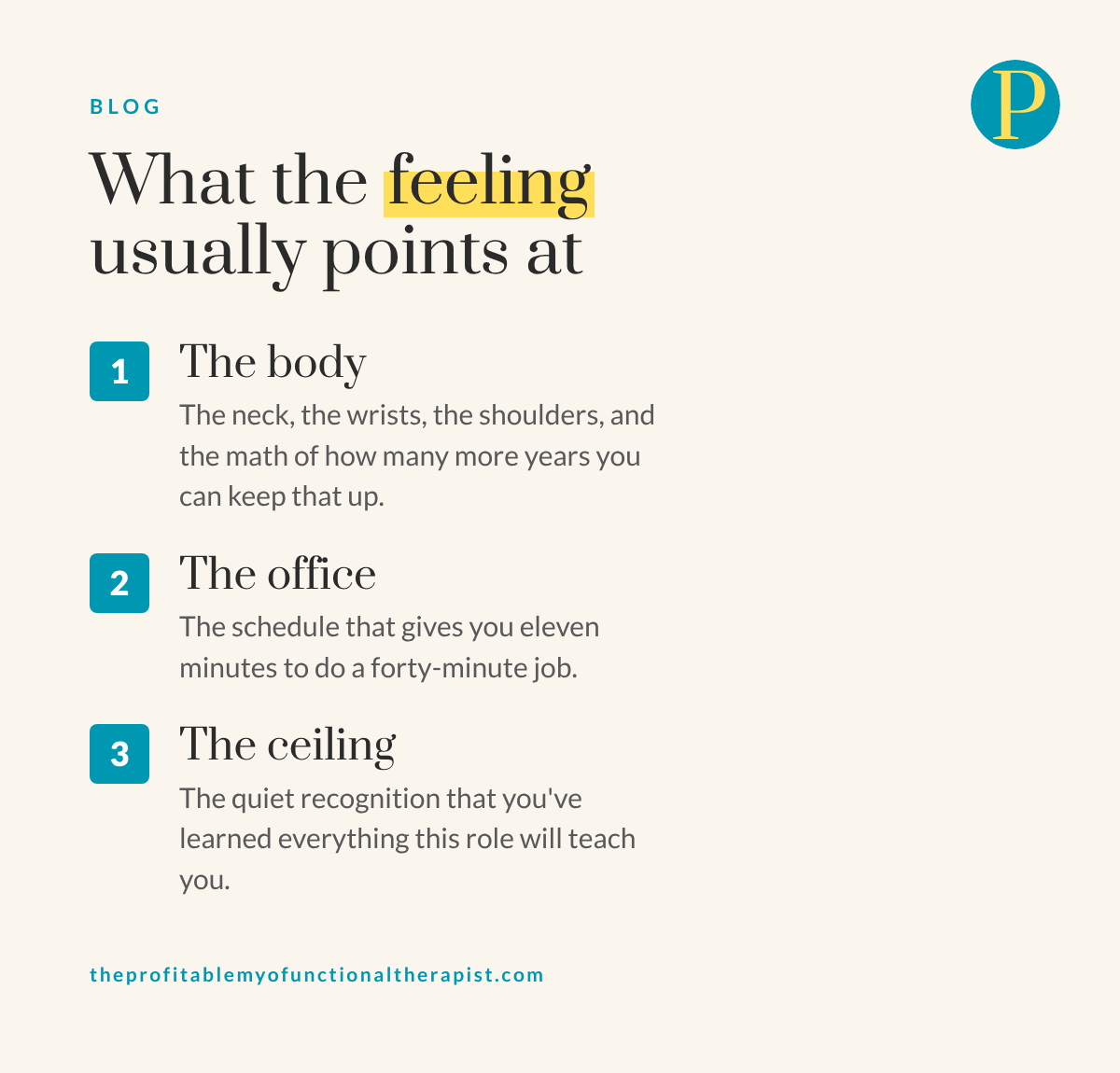
In the conversations I have with hygienists, “I hate it” tends to sort into one of three things, and the sorting matters because each one has a different next step.
Sometimes it’s the body. The neck, the wrists, the shoulders, and the math of how many more years you can keep that up. Sometimes it’s the office, the boss who runs the place like a personal stage, the schedule that gives you eleven minutes to do a forty-minute job, the culture where nobody asks how you’re doing. And sometimes it’s the ceiling, the quiet recognition that you’ve learned everything this role will teach you and the next twenty years look exactly like this one.
You might recognize yourself in one of them, or in a mix, or in something I haven’t named. I can’t tell you which from here, and I won’t pretend to.
The feeling is information. What you do with it is a decision, and you get to make it slowly.
What I can’t tell you
I can’t tell you to quit, because I don’t know your mortgage, your kids, your savings, or your spouse’s job. I can’t tell you it will feel better on the other side either, since I have no way to promise that to anyone. And I’m not going to hand you a reason you hate it, because you know your days better than I do.
If the hate has turned into something heavier than job dread, like you can’t sleep or you’ve stopped enjoying things that used to fill your “joy cup” – then it’s time to roll your sleeves up and figure out another way.
What to do this week, if you want something to do
Start by writing down the last three moments you thought “I can’t do this anymore.” Don’t edit them. The body, the office, and the ceiling will show up in your own words faster than they will in any quiz.
Then look at what exists outside the operatory. Jamie Collins wrote in RDH magazine that a dental hygiene degree opens paths in teaching, sales, writing and speaking, and nontraditional clinical work, and that many of them take extra education and deliberate planning. Elisa Brittain, writing in Today’s RDH, suggests taking early opportunities outside clinical work even when they’re not the dream version, and reaching out to hygienists who already made the jump. I’ve pulled together more on a dental hygienist career change if you want the longer map.
Pick one person who left clinical hygiene and send them a message. Ask what they’d do the same and what they’d skip. Most people say yes to that kind of question, and the answer will teach you more than another night of searching.
Finally, give yourself a decision date, a real one on the calendar. I don’t mean the day you quit. I mean the day you sit down with what you’ve learned and decide what the next small step is. A feeling with no date attached to it can run for years.
Where this goes, if you want it to
When I made the move, I did not have it all figured out. I learned the clinical work first and the business side came after, in a mess, and I wouldn’t wish that order on anybody.
If myofunctional therapy has crossed your mind, the skills you already have carry over more than you’d expect, and the Career Fit Guide for Dental Hygienists is where I’d start. It’s a set of honest questions in an order that makes them answerable, and it ends with a snapshot of how this path fits you. There’s no score and nothing to pass or fail.
When you’re ready to learn the clinical side, LMT60 is my self-paced online training, with six modules and more than 30 lessons covering an introduction to orofacial myofunctional therapy, airway and orthodontics, tongue ties, sleep and breathing, and the therapy itself. Results depend on your own market, effort, and follow-through, and I can’t promise you one.
Friend, you noticed something about your work, and I’d like to help you decide what to do about it at the pace your life allows.
Xo,
💙 Carmen
Frequently Asked Questions
Is it normal to hate being a dental hygienist?
It’s common enough to have been studied. A survey of ADHA members in two states found that 36.4 percent of respondents with chronic musculoskeletal pain had considered a career change, though only about a quarter of invited members responded, so treat it as a snapshot. If you’re weighing a change, the community is here and you won’t be the first hygienist to ask.
What should I do if I hate my dental hygiene job?
Work out which part you hate first, whether it’s your body, your office, or the ceiling on the role, since each one points to a different next step. Then talk to someone who already left clinical hygiene and set a decision date for yourself. If you want a second set of eyes on it, you can book a Get Unstuck Call.
Can you leave dental hygiene without wasting your degree?
Your degree opens more doors than the operatory. RDH magazine lists teaching, sales, writing and speaking, and nontraditional clinical work, and some of those need extra education. I wrote about work you can do outside the operatory and which options solve which problem.
How do I know if I hate hygiene or just my office?
Picture the same work in a different office with a better boss, a saner schedule, and people who treat you well. If your stomach unclenches, the office is a big part of it. If it doesn’t, look at the body and the ceiling next, and consider that it may be a mix.
Is myofunctional therapy a way out of the operatory?
For some hygienists, yes, and for others it isn’t the right fit, which is why I built the Career Fit Guide. I wrote about what the transition looks like without sugarcoating it. Nobody can promise you a client count or a timeline, and I won’t.
About Carmen Ball
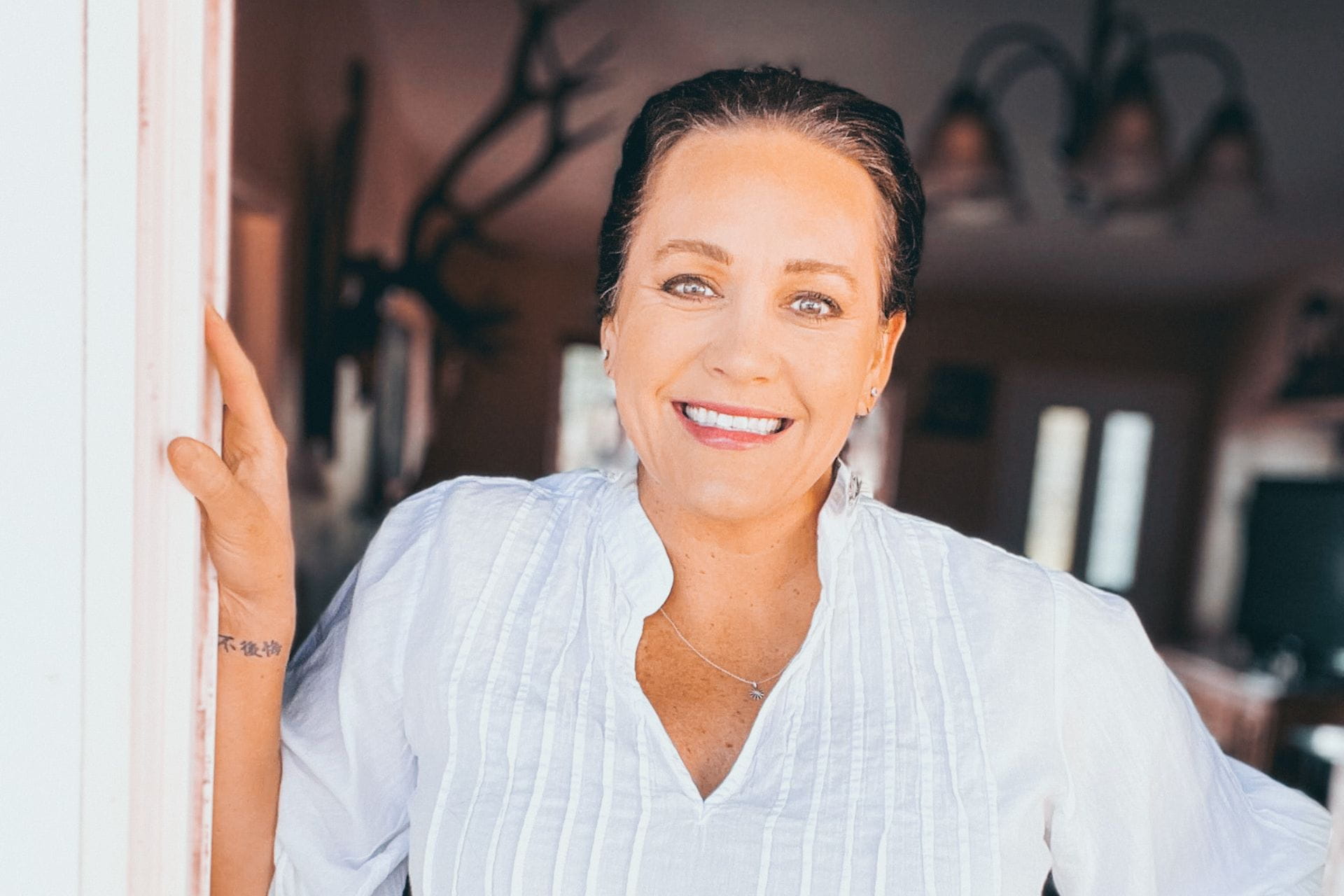
Carmen Ball (formerly Carmen Woodland) is a renowned, global myofunctional therapist, business coach, and host of The Profitable Myofunctional Therapist™ podcast. Over the past decade, she has helped thousands of people in her private myofunctional therapy practice (Impact Myofunctional Therapy – formerly Integrative Myofunctional Therapy) and coached hundreds of trained therapists to build profitable online businesses of their own. She is the creator of The Profitable Myofunctional Therapist™ program and Learn Myofunctional Therapy in 60 Days or Less (LMT60), a clinical training program for dental and health professionals. Carmen’s approach is simple: you already have the skills and the license. Now let’s build the business around them. She works with therapists around the world who are ready to stop spinning their wheels and start building a business they are genuinely bonkers about.
0 Comments